 Sunglasses
 Watches
 Tote Bags
 Travel Bags
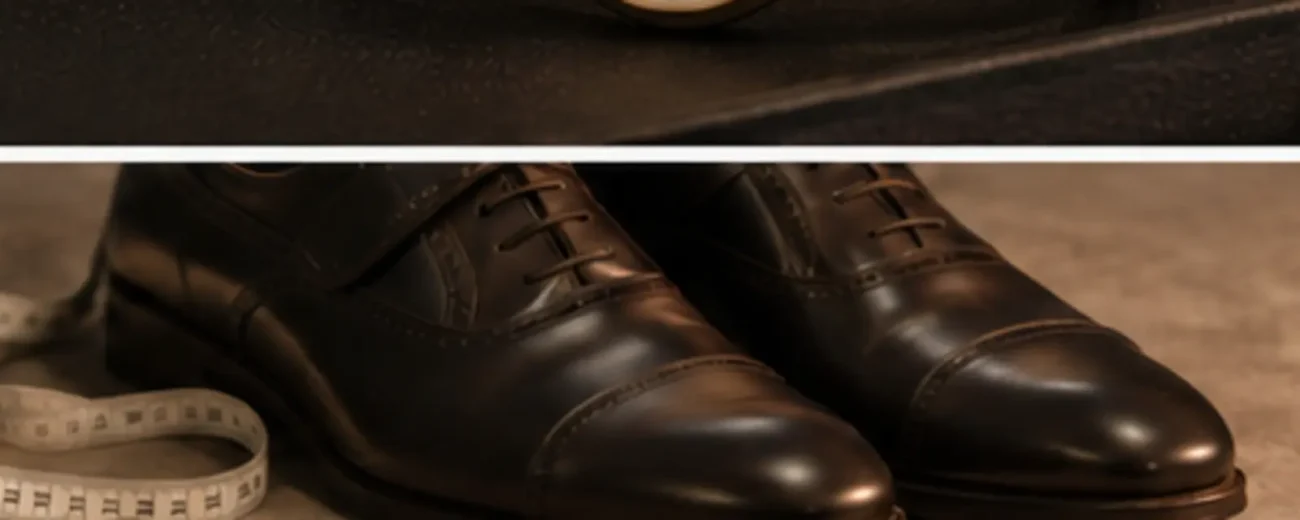
How to Store Designer Shoes and Protect Their Shape

Updated guide for thoughtful luxury shoppers.
Introduction
Shopping for designer shoe storage is most rewarding when the decision is based on evidence, intended use and realistic expectations. This guide is written for owners protecting leather, soles and structure. It explains how to compare listings, examine materials, understand condition and make a decision that still feels sensible after the excitement of discovery has passed. Pre-owned luxury is not a single standardised product category: two items with the same model name may differ in age, wear, included accessories, maintenance history and price. A careful buyer therefore evaluates the individual object rather than relying on reputation alone.
Maintenance history can affect value and usability. Ask whether cleaning, recolouring, replating, resoling, polishing or structural repair has taken place. Professional work may extend useful life, but it should be disclosed because it can change appearance, originality and future service options. Request invoices or clear descriptions when restoration is important to the decision.
Define Your Priorities
Start by defining the job the item needs to do. Think about frequency of use, typical outfits, climate, storage, travel and the objects you carry. A beautiful piece that does not suit your routine can become expensive shelf decoration. Write down three non-negotiable requirements and three preferences. Non-negotiables might include a secure closure, an adjustable strap or a particular minimum capacity. Preferences might include a colour family, hardware tone or decorative finish. This distinction makes comparison easier and reduces impulse decisions when a visually striking listing appears.
Good ownership includes ethical and practical disposal planning. If an item no longer serves you, consider resale, consignment, repair, gifting or responsible material recovery rather than indefinite storage. Keeping products in active use supports the central promise of circular fashion: extracting more value and enjoyment from resources already produced.
Research the Product Family
Research the model family before evaluating one listing. Compare official product information where available, reputable resale references and several independent photographs. Note common sizes, materials, construction details and the way proportions change between versions. Do not use one photograph as an authentication reference. Production methods can change, lighting alters colour and pre-owned pieces acquire individual wear. The goal of research is to build a range of reasonable expectations, not to memorise a single image and treat every difference as proof of a problem.
A useful comparison method is to score each candidate from one to five for condition clarity, suitability, seller transparency, total cost and return flexibility. The score does not make the decision for you, but it exposes trade-offs that attractive photography can hide. A candidate with a slightly higher price may earn a stronger total because the measurements are clear, wear is documented and the return policy is practical.
Read Condition Descriptions Carefully
Condition should be described with observable facts. Useful descriptions identify rubbing, scratches, creasing, tarnish, loose threads, discolouration, odour, missing parts and previous repairs. Broad labels such as “excellent” or “good” are helpful only when supported by close photographs and specific notes. Decide which signs of use you accept before shopping. Cosmetic wear may be tolerable on an everyday piece, while structural damage, unreliable closures or poorly executed repairs may affect function and future maintenance costs.
Terminology is not perfectly consistent across sellers. “Vintage,” “archive,” “pre-loved,” “excellent” and “collector condition” may be used differently. Translate promotional language into observable questions: What year or period is claimed? Which surfaces show wear? What was repaired? Which parts are original? What evidence supports the description? Precision protects both buyer and seller.
Examine the Photography
A complete photo set should show the front, back, sides, base, interior, corners, handles or straps, closure, hardware and identifying details. Ask for additional images when a high-wear area is hidden or blurred. Consistent lighting matters because heavy filters can conceal colour variation and surface marks. Photographs also need to match one another: backgrounds, hardware position and wear patterns should describe the same physical item. Save the listing images and description with the order record so that you can compare the delivered item with what was advertised.
Avoid treating online popularity as proof that a product suits you. Social visibility can improve access to styling ideas and price comparisons, but it can also compress attention around a few models. Personal requirements remain more durable than trend pressure. If a piece is difficult to carry, maintain or combine with your wardrobe, popularity will not solve the problem.
Use a Layered Authentication Process
Authentication is a whole-item assessment. It considers construction, materials, proportions, stitching, hardware, markings, age consistency and documented provenance together. Packaging, a receipt, a serial number or a digital certificate can support the assessment, but no single feature should carry the entire conclusion. When the price is significant or doubts remain, use an independent specialist familiar with the particular brand and product category. Keep the written outcome with your purchase records and remember that authentication is separate from condition: an authentic item can still require repair or be unsuitable for your needs.
For higher-value purchases, create a cooling-off period. Place the item on a comparison list, review the total cost the following day and re-read the return terms. Urgency messages may reflect genuine one-of-one inventory, but rarity does not automatically create value. A disciplined buyer accepts that missing one item is better than owning the wrong one.
Compare the Full Cost
Evaluate price in context rather than focusing on the discount from an estimated retail figure. Compare the same model, size, material, colour, age range and condition when possible. Add likely costs for delivery, tax, authentication, cleaning, repairs or missing accessories. An apparently inexpensive item may become poor value when essential work is included, while a higher-priced example with clear provenance and strong condition may be easier to own. Treat future resale value as uncertain; buy primarily because the piece fits your use and budget.
Maintenance history can affect value and usability. Ask whether cleaning, recolouring, replating, resoling, polishing or structural repair has taken place. Professional work may extend useful life, but it should be disclosed because it can change appearance, originality and future service options. Request invoices or clear descriptions when restoration is important to the decision.
Plan Care Before Purchase
Plan care before purchase. Different materials respond differently to moisture, friction, heat, cosmetics and cleaning products. Begin with dry, gentle maintenance and follow manufacturer or qualified specialist guidance. Test any suitable product in a discreet area, apply very little and stop if colour transfers or texture changes. Avoid aggressive household cleaners, soaking and unverified internet remedies. Good care is mostly preventive: clean hands, careful handling, sensible rotation and prompt attention to spills usually matter more than frequent treatments.
Good ownership includes ethical and practical disposal planning. If an item no longer serves you, consider resale, consignment, repair, gifting or responsible material recovery rather than indefinite storage. Keeping products in active use supports the central promise of circular fashion: extracting more value and enjoyment from resources already produced.
Create Safe Storage
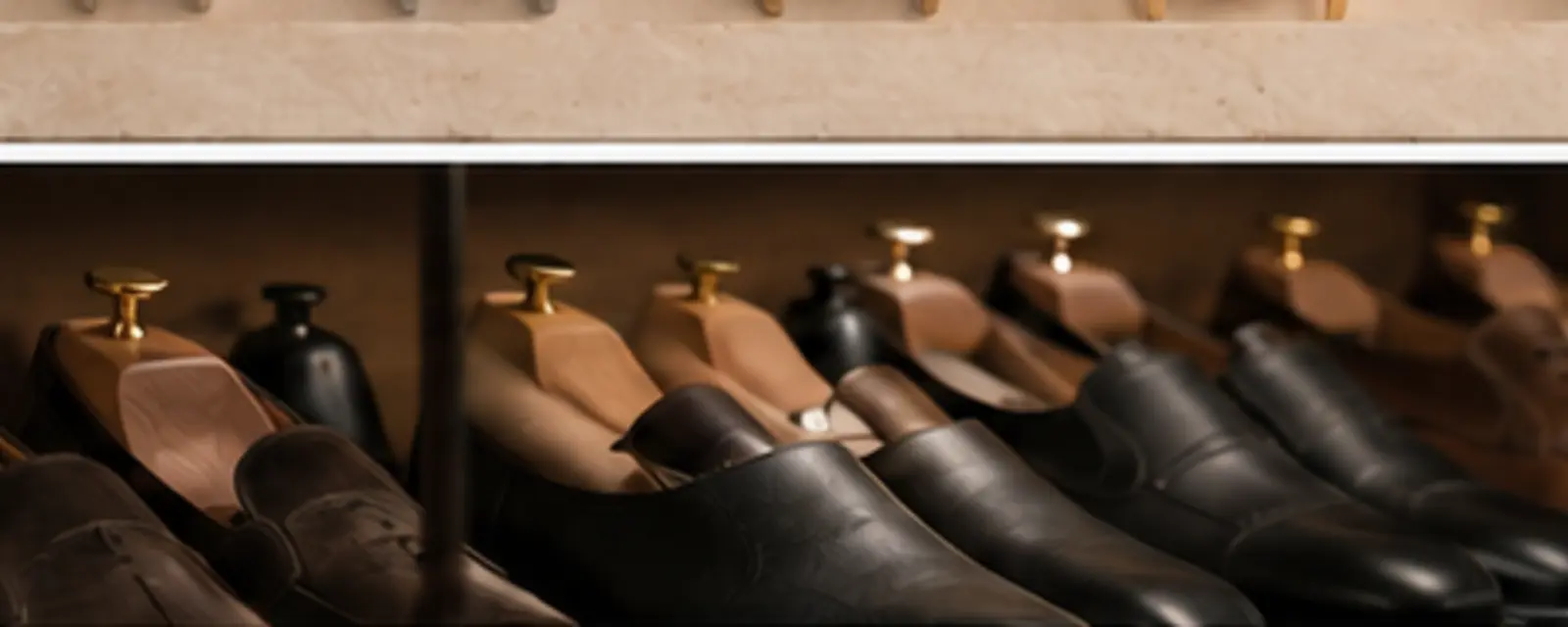
Storage should support the item without forcing its shape. Keep it clean and dry, away from prolonged sunlight, heaters and humid walls. Use breathable protection and acid-free tissue where light stuffing is appropriate. Do not overfill, hang heavy bags by their straps for long periods or allow metal parts to press into delicate surfaces. Check stored pieces periodically so that trapped moisture, colour transfer or material changes are discovered early. Retain detachable parts together in labelled pouches so nothing is lost.
A useful comparison method is to score each candidate from one to five for condition clarity, suitability, seller transparency, total cost and return flexibility. The score does not make the decision for you, but it exposes trade-offs that attractive photography can hide. A candidate with a slightly higher price may earn a stronger total because the measurements are clear, wear is documented and the return policy is practical.
Check Size, Fit and Proportion
Fit and proportion deserve the same attention as appearance. Compare the listed measurements with an item you already use, measuring both in the same way. Consider handle drop, strap range, opening width and usable interior space rather than relying only on labels such as mini, medium or large. For jewellery, watches and shoes, comfort depends on more than a nominal size; width, shape, weight and construction also matter. If the seller’s return terms are restrictive, uncertainty about fit should influence the decision.
Terminology is not perfectly consistent across sellers. “Vintage,” “archive,” “pre-loved,” “excellent” and “collector condition” may be used differently. Translate promotional language into observable questions: What year or period is claimed? Which surfaces show wear? What was repaired? Which parts are original? What evidence supports the description? Precision protects both buyer and seller.
Evaluate the Seller and Policies
A trustworthy listing makes it easy to identify the seller, understand the return process and obtain direct answers. Ask whether the item is physically in the seller’s possession, whether photographs show the exact piece, which accessories are included, whether repairs were performed and how authenticity was assessed. Keep communication professional and in writing. Be cautious when a seller pressures immediate payment, avoids specific questions, changes the story or requests payment outside the stated checkout process.
Avoid treating online popularity as proof that a product suits you. Social visibility can improve access to styling ideas and price comparisons, but it can also compress attention around a few models. Personal requirements remain more durable than trend pressure. If a piece is difficult to carry, maintain or combine with your wardrobe, popularity will not solve the problem.
Arrange Protected Delivery
Delivery arrangements should match the item’s value. Confirm tracking, insurance, signature requirements, packaging and the procedure for damage or loss. Record the unopened parcel when appropriate and inspect the contents promptly in good light. Do not remove security tags or use the item until you are satisfied that it matches the order. If there is a discrepancy, photograph the packaging and item, preserve all materials and contact the seller within the stated reporting period.
For higher-value purchases, create a cooling-off period. Place the item on a comparison list, review the total cost the following day and re-read the return terms. Urgency messages may reflect genuine one-of-one inventory, but rarity does not automatically create value. A disciplined buyer accepts that missing one item is better than owning the wrong one.
Connect the Purchase to Your Wardrobe
Think in terms of cost per meaningful use, not merely cost per wear. A special piece may be used infrequently yet remain valuable to your wardrobe because it works reliably for important occasions. Map the item against colours, silhouettes and activities already present in your life. Identify at least five realistic combinations or uses. If the only styling plan depends on buying several more things, pause. A curated collection grows through compatibility and distinct functions rather than repeated versions of the same idea.
Maintenance history can affect value and usability. Ask whether cleaning, recolouring, replating, resoling, polishing or structural repair has taken place. Professional work may extend useful life, but it should be disclosed because it can change appearance, originality and future service options. Request invoices or clear descriptions when restoration is important to the decision.
Final Buying Checklist
Before checkout, confirm the exact product name, dimensions, material, colour, condition notes, included accessories, price, tax, delivery cost, return window and payment protections. Verify that photographs represent the exact item and that important wear areas are visible. Save the listing. Decide in advance what issue would cause you to return the purchase. This final pause creates distance from urgency and gives you one last opportunity to compare the product against the requirements you wrote at the beginning.
Good ownership includes ethical and practical disposal planning. If an item no longer serves you, consider resale, consignment, repair, gifting or responsible material recovery rather than indefinite storage. Keeping products in active use supports the central promise of circular fashion: extracting more value and enjoyment from resources already produced.
Document the Item After Arrival
When the item arrives, compare it with the saved listing before wearing or altering it. Check identity details, measurements, colour, hardware, interior, high-wear areas and included accessories. Photograph any concern immediately. If everything is satisfactory, create a simple ownership record containing the receipt, authentication result, care notes and images. This record supports insurance, future maintenance and eventual resale. A consistent documentation habit is especially helpful when a collection grows over time.
A useful comparison method is to score each candidate from one to five for condition clarity, suitability, seller transparency, total cost and return flexibility. The score does not make the decision for you, but it exposes trade-offs that attractive photography can hide. A candidate with a slightly higher price may earn a stronger total because the measurements are clear, wear is documented and the return policy is practical.
Explore Maison Valmont
Ready to compare available pieces? Browse the Maison Valmont shop and review each listing’s current specifications. To understand the store’s approach, visit About Maison Valmont. If you need measurements, condition details, delivery information or help choosing, contact the Maison Valmont team before ordering.
Frequently Asked Questions
What should I verify first?
Start with product identity, exact measurements, condition photographs, seller details and return terms. These points determine whether deeper comparison is worthwhile.
Is a low price always a warning?
No single price proves authenticity or quality. Compare like-for-like examples and investigate any large difference instead of making assumptions.
Should I use a professional authentication service?
Independent specialist review is sensible when value is significant, evidence is incomplete or the purchase conditions make an error costly.
How should I protect a new purchase?
Retain records, follow material-appropriate care, use supportive storage and address damage early through a qualified specialist.
Editorial note: This educational guide is original Maison Valmont content. Brand names may be referenced for identification and comparison. Availability, prices and individual product details change; always check the current listing.